






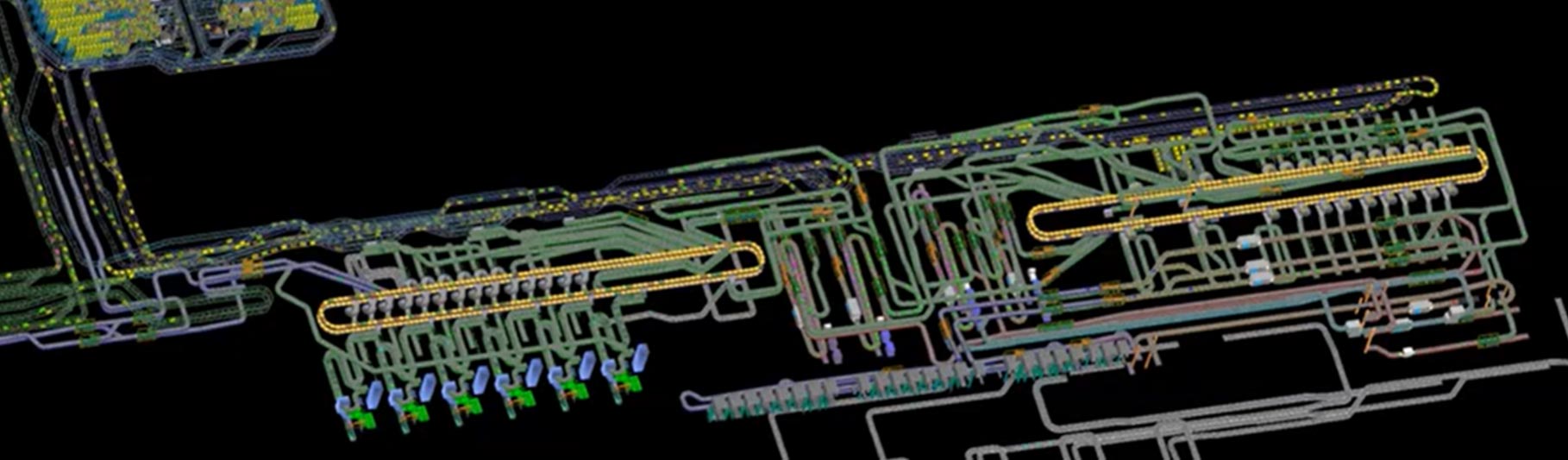
合作出成果:从大型项目到中等规模的成功。.
在建立良好声誉的同时,我们的目标是展示我们为中型项目提供高性价比解决方案的能力,向客户传授最新技术,确保他们取得长期成功。我们优先考虑与客户建立关系,而不仅仅是客户,经常与机场规划和开发部门的小型团队密切合作,以提供卓越的成果。.


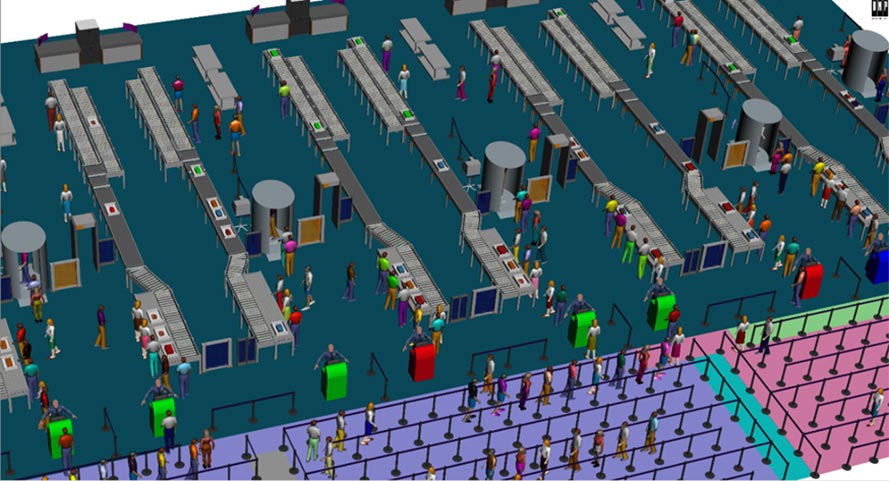
BNP Associates offers design and modeling analysis services for the development of airport checkpoint facilities. BNP collaborates with architectural design firms to create comprehensive checkpoint design solutions. They actively participate in working group meetings with the US Transportation Security Administration (TSA) to develop the TSA’s Checkpoint Requirements and Planning Guide.
Past projects have included evaluating checkpoint redesign requirements for Terminals A, B, C, and E at Boston International Airport, and developing a Checkpoint Modeling Tool for a major Automated Screening Lane (ASL) manufacturer. This tool allows them to identify queuing requirements and passenger and baggage throughput as various lane parameters are modified, such as:
Checkpoints incorporate different technologies for screening carry-on luggage. Typical equipment and services for screening items at the checkpoint include:
Passengers are generally screened using:
Lanes may utilize multiple technologies, and different security protocols may apply (e.g., low-risk passengers may have different requirements for divesting computers and shoes). Queueing is often partitioned into different areas for low-risk passengers (pre-check), frequent travelers (airline priority passengers), regular passengers, and employees/crew. Additional requirements may include accommodation for wheelchairs.
BNP works closely with airports and stakeholders to understand the specific technologies that will be utilized and to ensure that the checkpoint is appropriately sized to handle the expected design-day traffic loads.
To determine the requirements for Security Screening Checkpoints, a demand forecast is essential. BNP specializes in developing these demand forecasts based on projected flight schedule activity, expected growth, and the arrival patterns of passengers to the checkpoint areas. BNP can characterize passenger arrival behavior through on-site surveys to establish arrival patterns or by incorporating existing airport or air carrier arrival profiles into their forecasting system.
BNP utilizes both high-level and detailed 3D discrete-event simulation modeling to quantify the performance of checkpoints. These models help determine:
不适用
不适用
不适用
亚洲
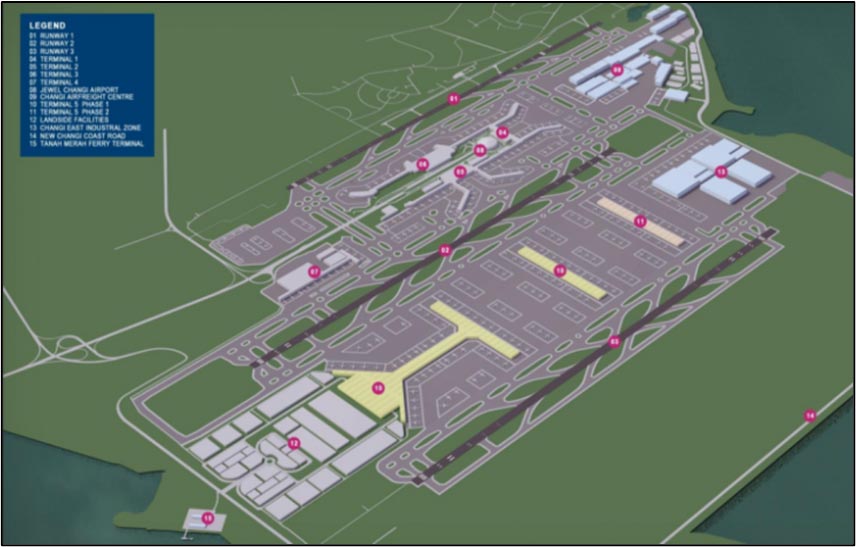
BNP 受樟宜机场集团 (CAG) 委托,为新 5 号航站楼的新行李处理系统 (BHS) 提供咨询服务,这是樟宜国际机场扩建计划的一部分。.
亚洲
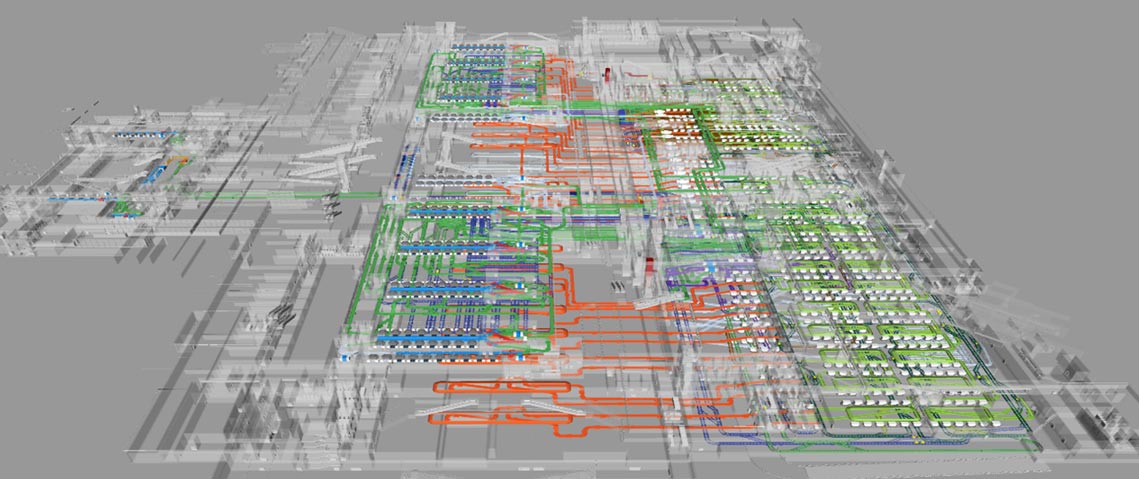
BNP 已受聘为新航站楼设计行李处理系统 (BHS)。设计范围包括所有行李系统的概念设计和详细设计,将 GTC 集成到航站楼的行李网络,以及规划未来与卫星航站楼的连接。.
BNP Associates, Inc. 是为航空运输和物流业提供专业咨询服务的全球领先企业。.