






성과를 위한 파트너십: 대규모 프로젝트에서 중간 규모의 성공까지.
강력한 명성을 바탕으로 중규모 프로젝트를 위한 비용 효율적인 솔루션을 제공하고 고객에게 최신 기술을 교육하며 장기적인 성공을 보장하는 역량을 선보이는 것을 목표로 합니다. 공항 계획 및 개발 부서의 소규모 팀과 긴밀히 협력하여 탁월한 결과를 제공하는 등 고객뿐 아니라 고객과의 관계 구축에 우선순위를 두고 있습니다.


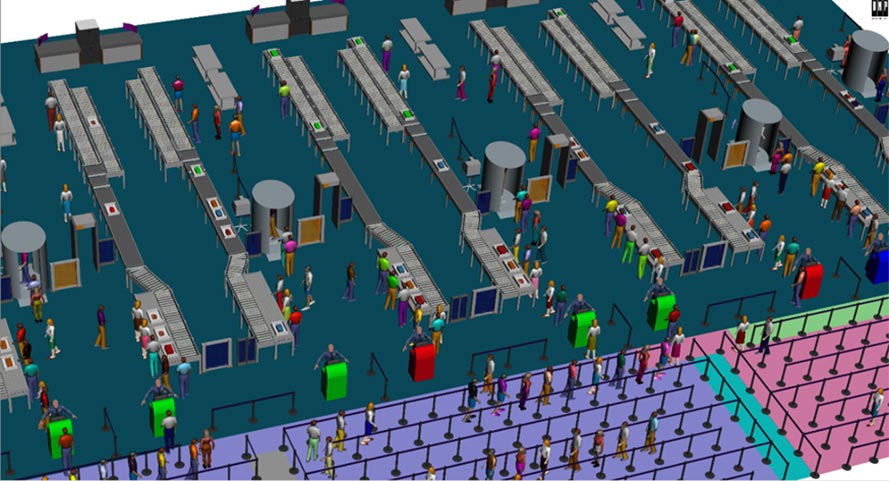
BNP Associates offers design and modeling analysis services for the development of airport checkpoint facilities. BNP collaborates with architectural design firms to create comprehensive checkpoint design solutions. They actively participate in working group meetings with the US Transportation Security Administration (TSA) to develop the TSA’s Checkpoint Requirements and Planning Guide.
Past projects have included evaluating checkpoint redesign requirements for Terminals A, B, C, and E at Boston International Airport, and developing a Checkpoint Modeling Tool for a major Automated Screening Lane (ASL) manufacturer. This tool allows them to identify queuing requirements and passenger and baggage throughput as various lane parameters are modified, such as:
Checkpoints incorporate different technologies for screening carry-on luggage. Typical equipment and services for screening items at the checkpoint include:
Passengers are generally screened using:
Lanes may utilize multiple technologies, and different security protocols may apply (e.g., low-risk passengers may have different requirements for divesting computers and shoes). Queueing is often partitioned into different areas for low-risk passengers (pre-check), frequent travelers (airline priority passengers), regular passengers, and employees/crew. Additional requirements may include accommodation for wheelchairs.
BNP works closely with airports and stakeholders to understand the specific technologies that will be utilized and to ensure that the checkpoint is appropriately sized to handle the expected design-day traffic loads.
To determine the requirements for Security Screening Checkpoints, a demand forecast is essential. BNP specializes in developing these demand forecasts based on projected flight schedule activity, expected growth, and the arrival patterns of passengers to the checkpoint areas. BNP can characterize passenger arrival behavior through on-site surveys to establish arrival patterns or by incorporating existing airport or air carrier arrival profiles into their forecasting system.
BNP utilizes both high-level and detailed 3D discrete-event simulation modeling to quantify the performance of checkpoints. These models help determine:
N/A
N/A
N/A
아시아
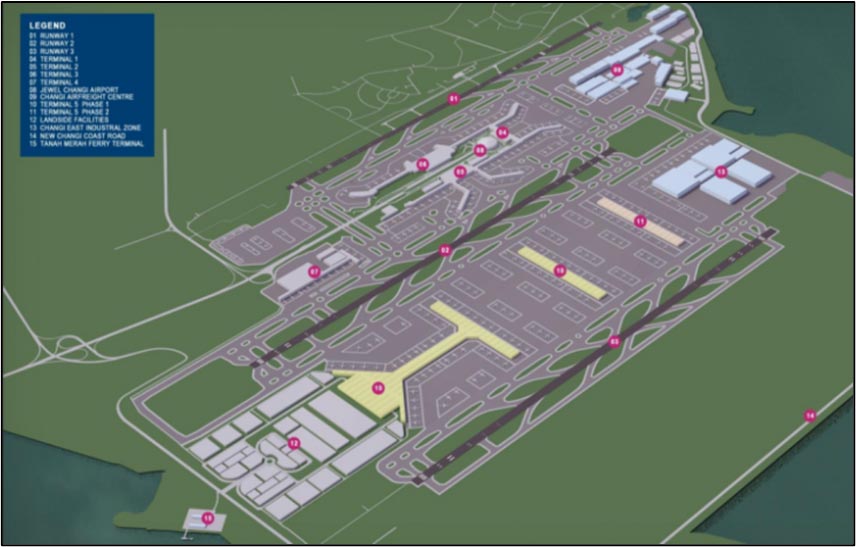
BNP는 창이국제공항 확장 계획의 일환으로 창이공항그룹(CAG)의 의뢰를 받아 새로운 제5터미널의 새로운 수하물 처리 시스템(BHS)에 대한 컨설팅 서비스를 제공하고 있습니다.
아시아
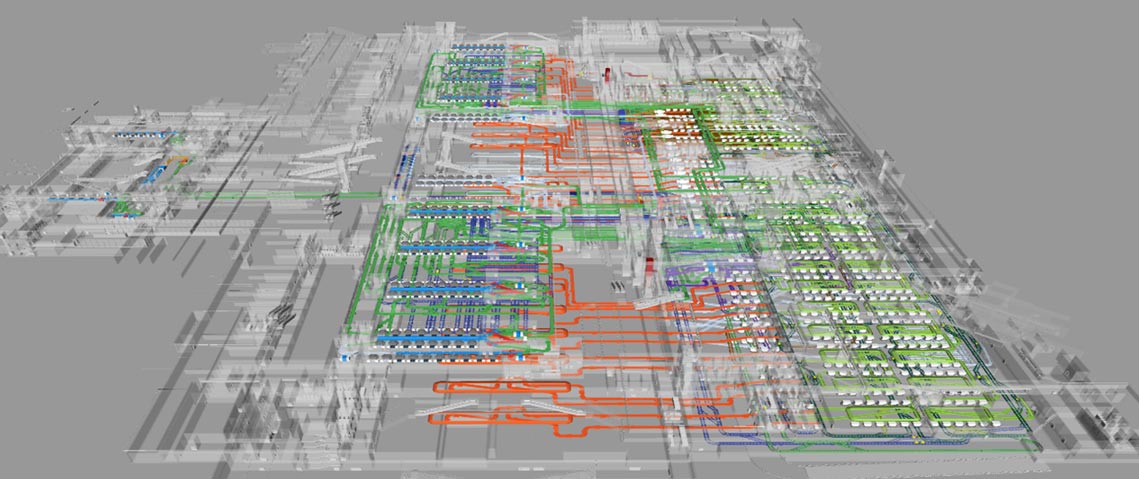
BNP는 새 터미널의 수하물 처리 시스템(BHS) 설계를 담당하고 있습니다. 이 범위에는 모든 수하물 시스템의 개념 및 세부 설계 개발, 터미널의 수하물 네트워크에 GTC 통합, 향후 위성 터미널과의 연결 계획 등이 포함됩니다.
유럽
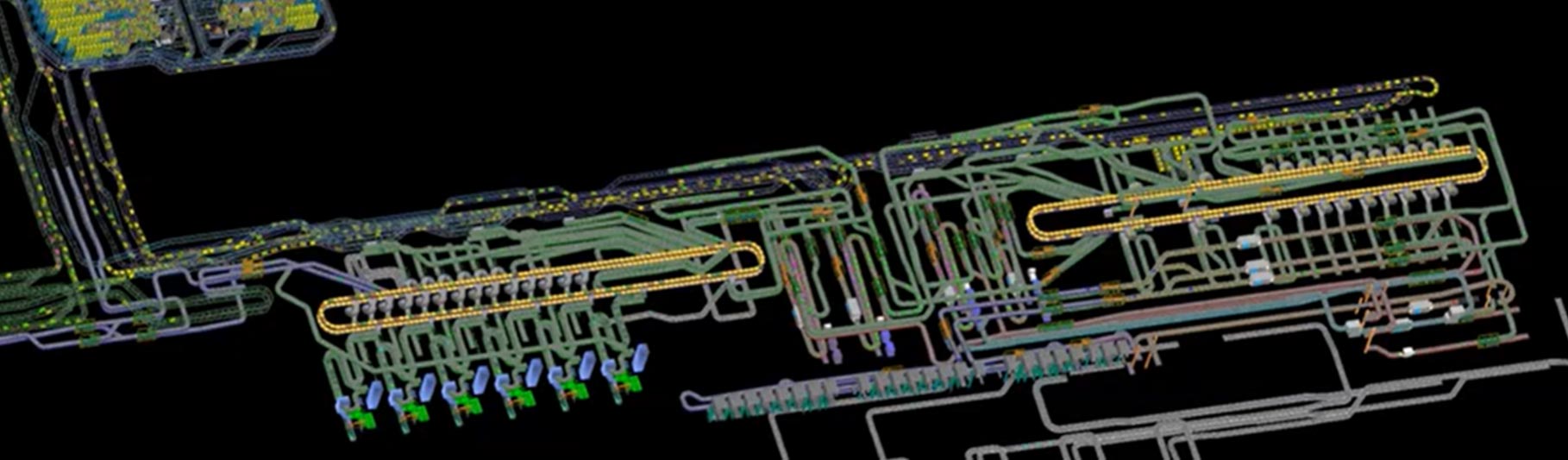
암스테르담 스키폴 국제공항의 새로운 터미널 A를 설계하기 위해 건축 및 엔지니어링 컨소시엄의 일원으로 KAAN Architects가 BNP를 고용했습니다.
는 항공 운송 및 물류 산업에 전문 컨설팅 서비스를 제공하는 세계적인 선도 기업입니다.