Saltar al contenido Página de privacidad
Volver a Proyectos

Energy Management Studies

Tools for Identifying Energy Cost Savings

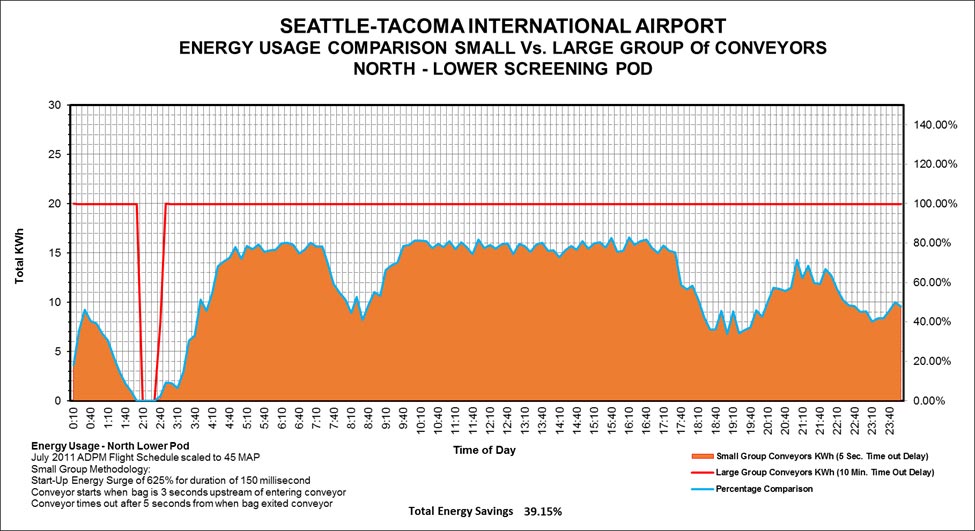
image overlay Chart showing energy usage comparison between small and large conveyor groups at Seattle-Tacoma International Airport.

Visión general

The electrical power required by motors to operate conveyors in a baggage handling system (BHS) is essential for designing the overall BHS. In many systems, numerous conveyors grouped into zones are started simultaneously due to the motor control configuration, such as soft starters, known as Zone Methodology. In this configuration, multiple conveyors are activated simultaneously, and they run continuously until the zone has been cleared of bags for a specified period, typically 10 minutes or more. This approach can result in running a large number of conveyors to transport a small number of bags during off-peak hours. The implementation of Variable Frequency Drives (VFDs) throughout the BHS eliminates the need for conveyor zones, allowing for targeted control and increasing energy efficiency by running motors only when necessary.

Small Group Methodology

An alternative zoning strategy is the Small Group Methodology, where conveyors run only when bags are present. Downstream conveyors are activated seconds before bags reach them and deactivate a few seconds after the last bag exits. This method reduces unnecessary conveyor operation and achieves significant energy savings.

Simulation and Verification

BNP uses simulation to verify the benefits of the Small Group Methodology. This approach involves activating motors when a bag approaches within a certain distance (configurable to three seconds of travel time) and deactivating them after the last bag exits the conveyor, with varying sleep delays (1, 2, 3, 5, and 600 seconds) examined. In contrast, the Zone Methodology simulation set a fixed sleep delay of 600 seconds for all conveyors. Energy consumption for each method was calculated over a 24-hour period.

Resultados

The bag systems have been simulated using the Zone Method and the Small Group Method to quantify the runtime and the number of starts and stops of each conveyor. This data, combined with the motor energy requirements, is used to estimate the daily energy consumption of each approach. Simulations have identified opportunities to reduce airport energy costs by up to 33%. The graph below depicts the energy utilization for each methodology over the 24-hour study interval, showing significant energy savings with the application of the Small Group Methodology.


Inicio del proyecto

N/A

Cliente

N/A

Alcance del servicio

  • Energy Savings
  • Análisis de datos
  • Operational Modeling Tool
  • Simulación

Región

N/A

Éxitos de la simulación

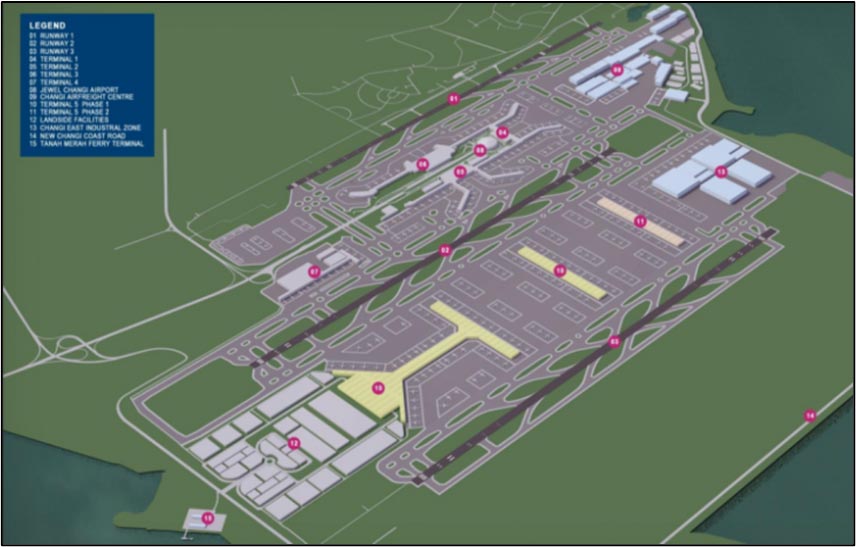
image overlay Changi International Airport (SIN) Terminal 5 Baggage Handling Systems
Sistemas de tratamiento de equipajes

Asia

Sistemas de tratamiento de equipajes de la terminal 5 del aeropuerto internacional de Changi (SIN)

BNP ha sido contratada por Changi Airport Group (CAG) para prestar servicios de consultoría para el nuevo sistema de tratamiento de equipajes (BHS) de la nueva Terminal 5, como parte de los planes de expansión del Aeropuerto Internacional de Changi.

image overlay Xi’an Xianyang International Airport (XIY) New Terminal 5 Baggage Handling System
Sistemas de tratamiento de equipajes

Asia

Nuevo sistema de tratamiento de equipajes de la terminal 5 del aeropuerto internacional Xi'an Xianyang (XIY)

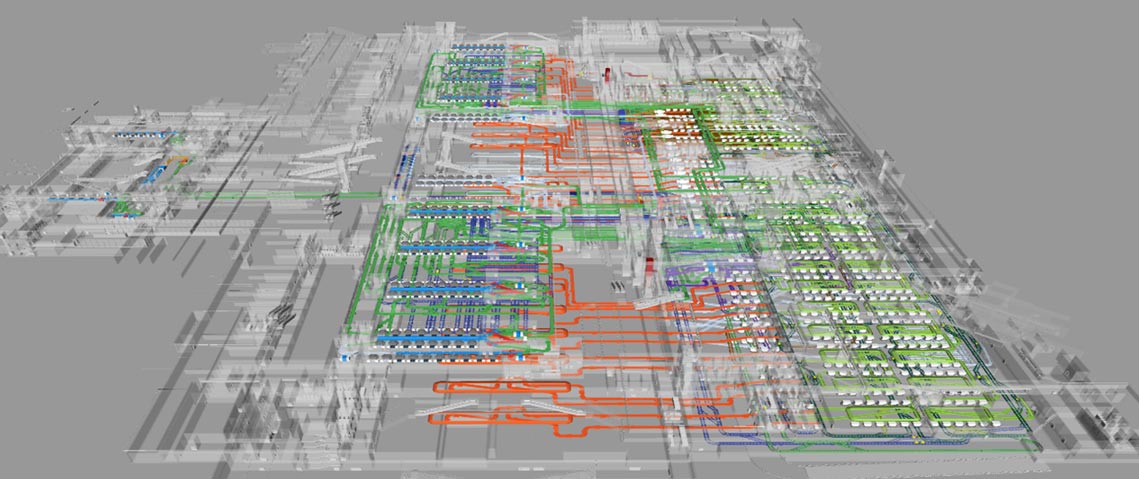
BNP ha sido contratada para diseñar el sistema de tratamiento de equipajes de la nueva terminal. Este alcance incluye el desarrollo de diseños conceptuales y detallados para todos los sistemas de equipaje, la integración del GTC en la red de equipajes de la terminal y la planificación de la futura conectividad con una terminal satélite.

image overlay Schiphol International Airport (AMS) Terminal A Baggage Handling System
Sistemas de tratamiento de equipajes

Europa

Sistema de tratamiento de equipajes de la terminal A del aeropuerto internacional de Schiphol (AMS)

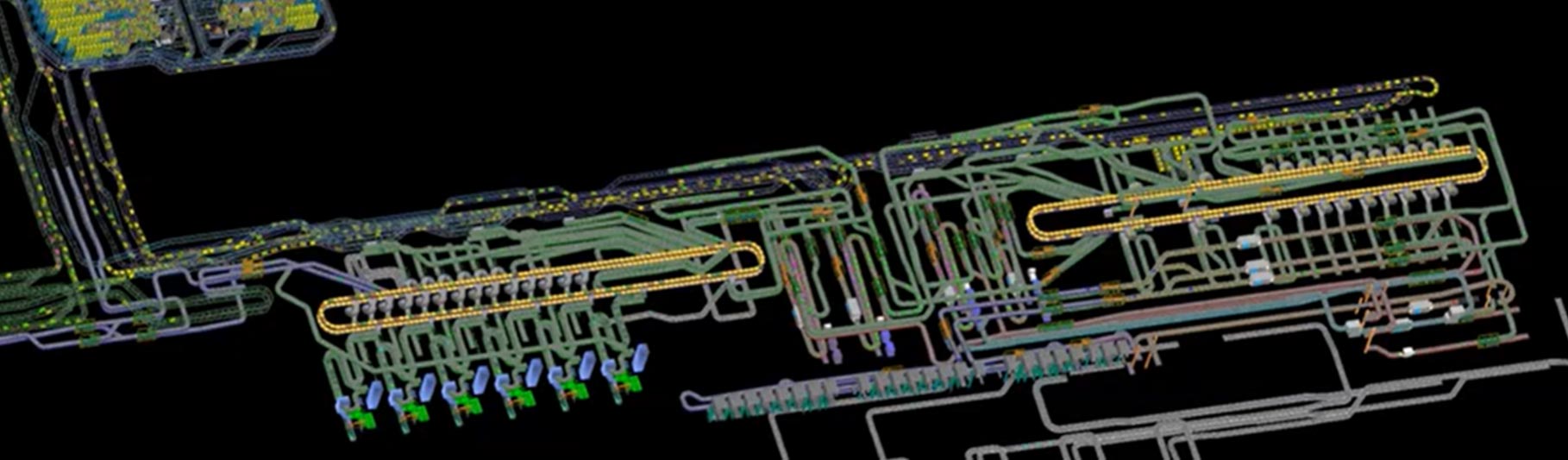
KAAN Architects contrató a BNP como parte de un consorcio de arquitectura e ingeniería para diseñar la nueva Terminal A del Aeropuerto Internacional de Schiphol, en Ámsterdam.

Asociarse para obtener resultados: De los megaproyectos al éxito a mediana escala.

Al tiempo que nos basamos en nuestra sólida reputación, pretendemos mostrar nuestra capacidad para ofrecer soluciones rentables para proyectos de tamaño medio, formando a los clientes en las últimas tecnologías y garantizando su éxito a largo plazo. Damos prioridad a la creación de relaciones con los clientes, no sólo con los clientes, a menudo trabajando en estrecha colaboración con pequeños equipos en los departamentos de planificación y desarrollo de aeropuertos para ofrecer resultados excepcionales.

Solicitar información Ver proyectos

BNP Associates, Inc. es líder mundial en la prestación de servicios especializados de consultoría a las industrias del transporte aéreo y la logística. 

© 2025 BNP Associates, INC. todos los derechos reservados